
Risks of saying the wrong thing in logistics marketing
- hello921012
- Mar 18
- 5 min read
TD;LR
|
Logistics businesses often invest in managing financial, operational and safety risks but overlook their marketing.
In the logistics industry where most companies rely on their relationships and reputation to do business, they often don’t realise their marketing can damage these.
Just like one wrong delivery can cause a problem, the delivery of your message can do the same.
What are the risks in logistics with marketing messages?
There are different types of risks in logistics regarding marketing, all of which can have a negative financial impact on your business.
Reputational damage
If you say the wrong thing in marketing, it can lead to damaging your reputation.
For instance, if your logistics business overpromises by saying, deliveries are made within 48 hours’ but in reality, operations can’t support this.
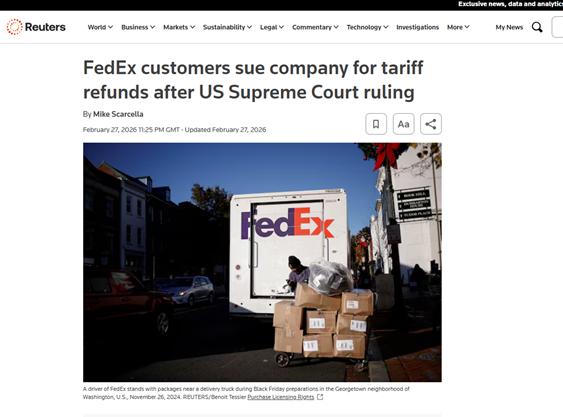
This is what happened with FedEx. They branded their company based on guaranteeing overnight delivery or your money back. But during disruptions such as COVID and weather events, delays became common.
Their promise in their marketing didn’t allow for disruption which led to customer complaints and legal disputes over service guarantees. They had to suspend their money-back guarantee for certain services for a period of time.
This erodes the trust and credibility of your logistics business, and it can damage your reputation.
Compliance issues
The logistics industry is heavily regulated, and businesses can face significant consequences for not adhering to legislation. If you don’t have everything documented in clear language, you could have problems.
Uber Freight and similar platforms promoted flexibility and opportunity for their drivers, but this led to legal challenges about whether workers were actually self-employed. It was ruled they are workers and entitled to minimum wage and holiday pay. A significant cost for the business, including the legal costs, which could have been avoided by communicating clearly.
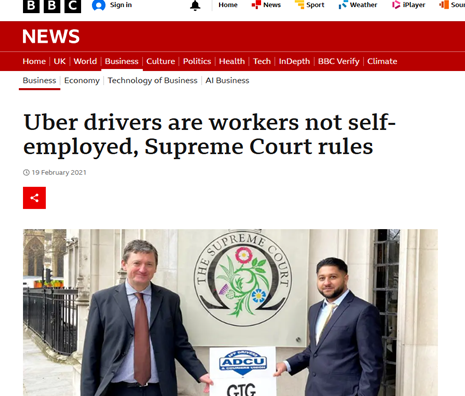
This example isn’t just about branding but an employment law risk. By saying something that is open to interpretation, they put themselves at risk.
These issues can also include sustainability claims. There is increasing legislation to regulate what businesses say about their sustainability.
If you are not clear, it can lead to greenwashing, even with the best of intentions. If you claim something is ‘environmentally friendly’ or ‘recyclable’ or make any similar claims, then they must meet certain criteria, or it can lead to damaging trust.
Eroding trust
If your branding is inconsistent, it can lead to confusion and eroding trust and credibility, leading customers to choose competitors instead.
Hermes had a branding problem when they marketed itself as reliable and low cost when in reality, they faced huge backlash for lost parcels and poor delivery standards.
Their reputation was so damaged, they had to rebrand as Evri which has also faced criticism for being unreliable with 44% of customers reporting issues.

Whether your branding doesn’t match the reality, uses insensitive language, or your branding is inconsistent, all of these can lead to eroding trust.
These cases of branding and operations not being aligned caused major issues for the companies.
Damage to employee confidence
Workforce messaging can also be a risk to your business. If internal messaging isn’t handled well, it can not only impact your staff but make its way outside of your organisation, causing more problems.
When “the biggest risks currently confronting the logistics industry worldwide are the shortage of skilled workers (71.8%)”, it is important to protect your relationship with your staff.
When P&O Ferries dismissed 800 workers, the pre-recorded video message they used to communicate this, received backlash.
The tone and delivery were seen as insensitive, if not illegal, which led to significant reputational damage, industry-wide criticism and legal and political fallout.

How to reduce risk in logistics marketing
Just, like other areas of logistics, risk can be mitigated by using a risk framework.
Implement a risk framework
The risk framework includes:
Identification
By identifying any marketing risks, you are at least aware of what they are to either remove the risk or reduce its impact.
Risks should be identified both inside and outside the business.
Analysis
Once you have identified any risks, you can analyse the likelihood of them happening and the potential impact.
This allows you to prioritise which risks could cause the most damage and work your way through them to reduce any issues.
Management
Once you have identified the risks and analysed them, you can create ways to manage them if they cannot be removed.
Other ways to reduce risk in your logistics business
Along with implementing this framework, there are several other things logistics business can do to reduce risk including:
Evidence claims
Any claims that the company makes should be backed up with evidence. If anyone disputes these claims, you can prove they are true.
This not only reduces your risk but shows your business is professional, mindful of how it operates, and transparent.
Implement review processes
Create a review process for any marketing. This could include cross-team sign offs, so that for example, any marketing materials are approved by operations.
Or having a process where any marketing goes to your legal team or management to approve before being made public.
This helps to catch any issues before they happen.
Create brand guidelines
Brand guidelines set out a framework for communications. From how to display the logo, fonts, to what language to use.
These guidelines help to create consistent messaging that everyone in the organisation can follow as guidance.
Research showed logistics companies could fight risks through several ongoing measures, including, “early employee retention activities, comprehensive training programmes, and work on employer branding.”

Have a crisis communications plan
Even with the best of intentions, problems can still happen with marketing.
Having a crisis communications plan ensures everyone knows what to do when things go wrong.
If something should go awry, it helps staff to react quickly and limit the damage.
How to implement the framework and other risk reducing measures
Once you have taken steps to reduce marketing risks within your logistics business, it is essential it is implemented properly.
Communicate and collaborate
Communicate your risk reducing measures to everyone within your organisation and encourage teams to collaborate to reduce these risks.
Risk training
Training your staff in your risk reducing procedures will highlight how each of them can impact the business by participating. Ensuring staff understand why reducing risk is so important, how to do it, and how to use brand guidelines will help to avoid issues.
Culture
Creating a culture of integrating risk management into marketing operations will help to make this a normal process. Instead of reacting to failures, your staff will be proactive to avoid any risks from happening in the first place.
Monitor and update
Keep track of any risks and changing regulations along with checking these procedures are being followed.
Reducing risk in your logistics business
Marketing messages are essentially uncontrolled external communications. If the same governance structures don’t apply to them like other organisational risks, the consequences can be just as serious and impactful to your business.
It’s better to be proactive and understand possible risks your marketing could leave you open to than to chance it.
Interested in creating brand guidelines for your logistics business? Get in touch.
Comments